
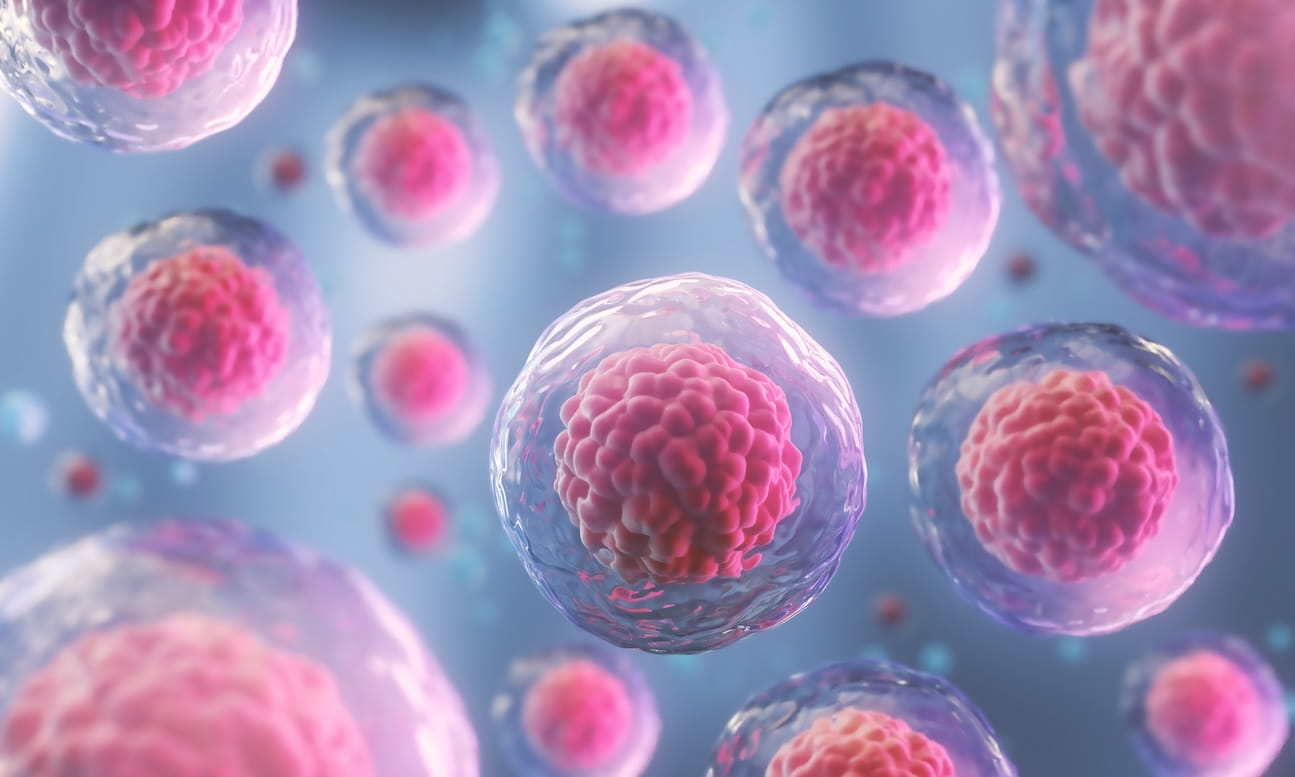
Cellular health is one of the biggest topics in regenerative beauty. When skin becomes tired, dehydrated, inflamed, and slow to repair, we need to connect the dots to what’s going on inside our bodies.
This article covers what cellular health means for skin, how hormones, digestion, and stress play a role, and where professional treatments and lifestyle changes fit into the bigger picture.
What Is Cellular Health, Exactly?
The skin is tissue and all tissue is made up of cells. So, looking at our health at the cellular level, is fundamental to all tissue health, including our skin. Our skin is an eliminative organ and part of our immune system, acting as the body’s first line of defense against environmental threats. This means that chronic immune stress can show up as increased sensitivity, redness, or slower healing.
Cellular repair happens continuously in healthy skin, but it depends on the right inputs – adequate nutrition, quality sleep, hydration, and manageable stress levels – to run efficiently. When all those things come together, we generally feel better and as a result, skin tends to look brighter, more resilient, and smoother. Our skin is often considered the 3rd kidney. When our terrain is overwhelmed, the effects often show up on our skin; which is why skin health from within depends on treating the body as a connected system.
How Cellular Aging Can Show Up on the Skin
Skin isn’t immune to the normal effects of aging. Collagen naturally slows down, cells don’t renew as quickly, moisture retention decreases, and circulation becomes less efficient. These are natural parts of cellular aging, and they often show up as:
- Dullness or a consistently tired appearance
- Fine lines and crepey texture
- Loss of firmness or elasticity
- Slower skin healing and recovery
- Increased dryness or sensitivity
- More reactive skin
- Uneven tone and texture changes
- Skin that looks tired even with a good routine
- Breakouts, rashes, rosacea, and visible inflammation
Healthy aging skin is about giving your body the internal and external support it needs to repair well, stay resilient, and look its best at every stage, which is why it’s important to understand how the collagen and elastin rebuilding process can make a meaningful difference.
The Role of Inflammation in Skin Health
The relationship between inflammation and skin is one of the most important connections in regenerative beauty, because inflammation doesn’t always show up as obvious redness.
A regenerative approach looks at internal triggers and external care together, not as separate problems. The chart below summarizes.
| Internal factor | How it may show up on skin | Supportive direction |
| Poor sleep | Dullness, puffiness, slower repair | Better sleep routine and recovery support |
| Chronic stress | Breakouts, redness, sensitivity, tension | Nervous system support and gentler skincare |
| Ongoing skin inflammation | Irritation, uneven tone, reactive skin | Nutrition, barrier repair, and professional guidance |
| Hormone changes | Acne, dryness, oil changes, texture shifts | Nutrition, Fitness, Lifestyle,Consultation-led planning and referral when needed |
| Low nutrient support | Slower repair, dullness, fragile skin | Electrolyte rich foods, acidity,Protein, antioxidants, healthy fats, minerals and food variety |
| Overactive routines | Barrier damage, redness, dryness | Fewer actives and better post-care |
Nutrition, Hydration, and the Skin Repair Process
Oxidative stress and skin aging are closely connected: when the body is exposed to environmental damage, pollution, UV rays, or poor nutrition and sleep, over time, cells can struggle to repair and renew at their normal pace. This is where electrolyte and antioxidant-rich foods and barrier support can help. When it comes to nutrition for skin, the goal isn’t a strict elimination plan but building consistent habits around fiber, protein, healthy fats, colorful fruits and produce, and hydration that give your cells what they need to function well and avoid premature skin aging.
The link between hydration and skin goes deeper than surface moisture: when the body is consistently under-hydrated, skin barrier function can weaken, texture can suffer, and the skin’s ability to recover from stress or treatments may slow down.
For a deeper look at how functional nutrition connects to visible skin health, explore the best foods for skin.
Where Hormones, Gut Health, and Stress Fit In
Skincare products can only do so much when the root drivers of a skin concern are internal.
Hormones
The connection between hormones and skin is a concern for many because hormonal shifts, especially around perimenopause and menopause, can change how skin produces oil, retains moisture, and responds to treatments.

Gut Health
The gut health and skin connection comes down to digestion, absorption, utilization, elimination and inflammation: what we don’t eliminate, we accumulate. If we are not eliminating toxins and excess our cellular terrain can become acidic, sluggish and overwhelmed; the body may struggle to absorb the nutrients skin depends on for repair, and inflammation patterns can show up on the surface as a result.
Stress
The relationship between stress and skin runs through cortisol: when stress becomes chronic, cortisol can disrupt sleep, weaken the skin barrier, and make it harder for skin to recover from breakouts, irritation, or professional treatments.
Learning to regulate your nervous system is one of the most underrated things you can do for your skin. Look, stress is unavoidable, so don’t stress! There are several tools available to mitigate it.
This is why root cause skincare – the idea of looking at what’s actually driving a skin concern rather than just treating the symptom – can be so much more effective than guessing with products.
Functional nutrition and skin health go hand in hand at Vi Beauty Lab. Our Root & Restore Program is a functional nutrition and wellness-focused plan where clients meet with a dedicated, functional nutritionist to explore whether an underlying imbalance may be connected to their skin goals, covering hormones, digestion, stress, weight, and more. When necessary, we use labs and dutch tests as tools to build a personalized support plan that includes homecare, treatments, nutrition, and healthy habits that aren’t overwhelming.
What Are Peptides, and Why Do They Keep Coming Up?
The conversation around peptides and cellular health makes sense when you understand that peptides are short amino acid chains – the same building blocks the body uses for collagen synthesis, tissue repair, and skin renewal.
You’ve probably seen them everywhere – from face serums to injectables to anti-aging supplements. And while there’s genuine merit to the peptide conversation and cellular health, not every discussion applies to skincare.
| Peptide conversation | What it usually means | How to approach it carefully |
| Topical peptides | Skincare ingredients in serums or moisturizers | Can support the look of firmer, calmer, healthier skin |
| Collagen peptides | Oral supplements for skin, hair, nails, and joints | Evidence and product quality vary; avoid big promises |
| Injectable Metabolic peptides | Medical or wellness injections | Should only be discussed with a qualified medical provider |
| Longevity peptides | Discussed for aging, recovery, metabolism, or repair | not a DIY topic. Should also be discussed with a medical provider |
Why Products Alone Cannot Carry the Whole Plan
A well-chosen serum can support skin barrier health and visible skin function, but it cannot fix poor sleep, chronic stress, inflammation, nutrient gaps, or hormone shifts on its own. Professional treatments can meaningfully improve visible concerns, but maintenance matters, and results tend to hold longer when internal health is also being supported.
How fitness and regenerative health work together is a good illustration of this: movement, recovery, and whole-body support contribute to skin resilience in ways that products simply can’t replicate. The goal is to build healthier, stronger, more resilient-looking skin through a realistic and sustainable plan. That’s what inside-out beauty looks like in practice. We do not need to turn the table over on our lives, small tweaks can make a huge impact. Sunshine on your face in the morning, 5 minutes of breath work, a 10 minute walk after meals. These small habits are like a deep exhale to your cells.

Where Professional Treatments Fit Into Cellular Health
Professional skincare treatments work best when they’re part of a broader plan – one that includes internal support through nutrition, sleep, and stress management alongside external care through facials, injectables, and regenerative services.
| Skin regeneration goal | Internal support | Professional support at Vi |
| Firmer-looking skin | Protein, hydration, sleep, collagen support | Sculptra, RF treatments, collagen-focused skincare plan |
| Softer lines | Stress support, barrier care, SPF, consistent routine | Botox and dermal fillers, PRP Injections, personalized injectable consultation |
| Better texture | Nutrition, hydration, less over-exfoliation | Facials, peels, PRP microneedling, Viva RF |
| Tired or dull skin | Sleep, antioxidants, hydration, movement | Facials, IV therapy, regenerative skincare support |
| Post-treatment recovery | Barrier repair, SPF, hydration, rest | Pre- and post-care guidance, follow-up support |
| Whole-body glow | Food, stress support, gut and hormone awareness | Root & Restore, Fitness With Liz, personalized consultation |
How to Support Cellular Health for Better-Looking Skin
| Goal | What may help at home | When Vi can help |
| Stronger barrier | Gentle cleanser, moisturizer, SPF, fewer harsh actives | Personalized skincare consultation |
| Healthy aging support | Protein, peptides, SPF, retinoids if tolerated | Sculptra, RF, facials, collagen-supportive care |
| Calmer skin | Stress support, barrier repair, fewer irritants | Treatment planning and pre- and post-care instructions |
| Better glow | Sleep, hydration, antioxidant-rich foods | Facials, peels, regenerative skincare plan |
| Deeper inside-out support | Food, lifestyle, stress, and inflammation awareness | Root & Restore consultation, Lymph Drainage and support |
When to Ask for Professional Guidance
Consider booking a consultation at Vi Beauty Lab if you’re experiencing any of the following:
- Persistent redness that isn’t responding to routine changes
- Breakouts that keep returning despite a consistent skincare approach
- Sudden dryness or sensitivity, especially after adding new products
- Skin changes around perimenopause or menopause
- Dullness that doesn’t improve with routine changes
- Irritation from too many products or actives
- Post-treatment healing questions or concerns
- Interest in regenerative treatments but uncertainty about where to start
- Curiosity about Root & Restore or inside-out beauty support
- Interest in injectables but uncertainty about what’s right for your face, skin, and goals
Med spa treatments and a personalized skincare consultation at Vi Beauty Lab help you stop guessing and build a plan that fits your skin, your lifestyle, and your comfort level.
Final Thoughts on Cellular Health and Skin
Cellular health is about understanding how repair, inflammation, hydration, nutrition, hormones, stress, and professional care all work together, while supporting the skin from the inside and out at the same time. When those are working in alignment, the goal shifts from chasing quick fixes to building something more durable: healthier, stronger, more resilient-looking skin.
Book a consultation with Vi Beauty Lab to start building a personalized plan that matches your skin, your goals, and where you are right now.

Frequently Asked Questions
What does cellular health mean for skin?
Skin cells need nutrients, hydration, oxygen, repair time, and a healthy barrier to function well. Cellular health refers to how effectively those processes run, and when they’re disrupted by stress, poor sleep, inflammation, or nutrient gaps, skin is often the first place the impact becomes visible.
Can inflammation affect how my skin looks?
Yes. Inflammation can contribute to redness, puffiness, sensitivity, breakouts, and dullness. Causes vary widely – from gut health and stress to food sensitivities and hormone changes – which is why a broader, root cause skincare approach tends to work better than a topical-only fix.
Are peptides part of cellular health?
Peptides are short amino acid chains connected to collagen synthesis and skin repair, so yes, they’re part of the conversation. That said, topical peptides in skincare products and injectable or longevity peptides in wellness contexts are very different things, and what’s appropriate depends on your goals and who’s guiding your care. They are also one tool used as part of a plan. They are not the foundation of cellular health.
Can skincare improve cellular health?
Skincare can meaningfully support the skin barrier and visible skin function. But internal cellular health also depends on sleep, nutrition, stress, and hormones.
When should I book a consultation?
If you’re dealing with recurring irritation, aging changes, product confusion, interest in injectables, or skin concerns that seem connected to stress, hormones, gut health, or inflammation, a skincare consultation is the most direct way to stop guessing and start building a plan that works for you.
