
There’s almost never one single thing that causes glowing skin. Dryness, puffiness, dullness, sensitivity – these are external symptoms that often originate internally. The connection between liver and skin health is real, but it’s layered. Understanding the relationship between skin and liver health starts with recognizing how much your skin depends on internal systems you can’t see. There’s also kidney function, water intake, food choices, sleep habits, stress levels, and a lot of invisible work your body performs every day.
This article links some of those dots for you honestly – not as an inside-out guide to diagnosis, but as an educational look at how internal health and skin are connected. If you have unusual or persistent symptoms, talk to your healthcare provider. This article is meant for educational purposes only and does not substitute for medical advice.
If you’re curious to read more on beauty and health topics, Vi Beauty Lab has published articles on regenerative beauty, skin-supporting foods and what detox symptoms actually mean.
Why Skin Is Part of the Whole-Body Story
Your skin is your body’s largest organ, but it’s not often treated that way. More often than not, skin is treated like a blank canvas – something to cover up rather than try to understand. But skin is a living system. It eliminates toxins, protects you, regulates temperature, and keeps irritants out while locking moisture in. Skin barrier health is the foundation of it all.
When something goes wrong in the body, it can show up through skin inflammation, color changes, or a dry, flaky texture. Dull skin causes aren’t always on the surface. External factors like weather changes, product irritation, sun exposure, or over-exfoliating can cause temporary skin symptoms. But dehydration, poor sleep, diet changes, or hormonal shifts can also cause skin to look or feel off.
Taking care of your internal health will support your skincare goals. That’s the whole-body skincare philosophy Vi Beauty Lab is built around. Skincare and regenerative health work best together, since each one only takes you so far on its own.
Is Skin Really the “Third Kidney”?
If you’ve read much wellness media, you’ve probably seen this claim. It may make intuitive sense that skin “detoxes” the body, or that skin, like the kidneys, releases sweat to regulate fluid balance and body temperature. There’s something to the metaphor – skin does participate in thermoregulation through sweat – but the comparison has real limits.
Sweat glands filter substances from the blood and release them through the pores. While the kidneys, liver, lungs and intestines take on a heavier eliminative role for the body, the reason that skin is called the 3rd kidney is not because it can do the work of the kidneys or other eliminative organs. It is because if the skin is showing signs of inflammation, then it is a sign that the internal terrain needs support.
If you have persistent itching, sudden swelling, or yellowing of the skin or eyes, contact a healthcare provider. These symptoms can have many causes. The “third kidney” idea is a useful metaphor for understanding that skin is active and responsive.
What the Liver Has to Do with Skin
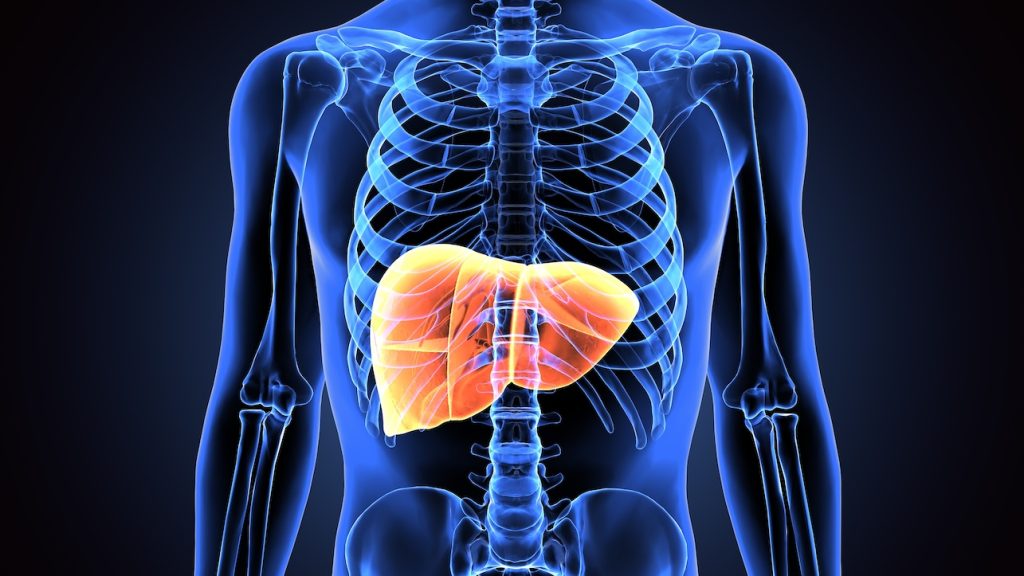
Look, the liver performs over 500 functions for the body. Too many for us to touch on here. If we aggregate these functions up to the liver’s core roles, we’d have metabolic functions, Detoxification, Bile Production, Storage, Protein Synthesis, and Immune Function. Liver function touches almost every system in the body, including the conditions your skin relies on to repair and renew itself.
When your body is under consistent stress, including poor nutrition, poor sleep, dehydration, too much alcohol, or chronic inflammatory eating, your skin may look duller, feel more reactive, or struggle to recover. Cellular health and skin are linked through nutrient availability: your skin needs protein, healthy fats, vitamins, and minerals to repair itself.
When digestion is working well and the body is absorbing the right nutrients for skin repair and renewal, the difference can show up in texture, tone, and resilience.
When liver function and digestion are compromised, the body’s ability to absorb and use those nutrients may be affected.
| Liver-related factor | How it can affect skin appearance | What to keep in mind |
| Nutrient processing | Skin needs protein, fats, vitamins, and minerals for repair | Skin support starts with nutrient availability – not a liver “cure” |
| Bile and digestion | Digestion affects how the body absorbs and uses nutrients | Skincare cannot detox the liver |
| Blood chemistry | Internal imbalance may show up externally | Don’t read liver health from skin alone |
| Alcohol and inflammation | Skin may look dry, puffy, or dull during poor recovery periods | Lifestyle context, not judgment |
| Hydration and sleep | Recovery directly affects skin tone and barrier comfort | Consistency matters more than perfection |
True liver symptoms, such as jaundice, significant swelling, and pain, belong in a medical appointment, not a skincare routine.
What the Kidneys Have to Do with Skin
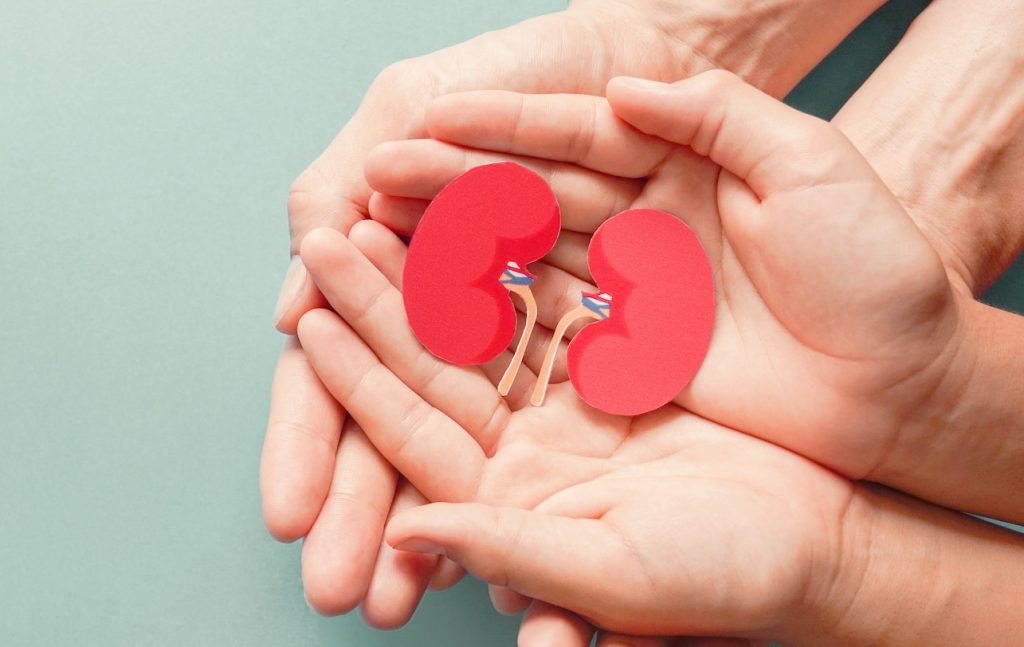
As your kidneys filter waste from the blood, they support fluid and electrolyte balance, blood pressure regulation, and hydration throughout the body. The Kidneys and the adrenals are linked as functional partners in the hormonal systems and blood pressure management. Kidney health and skin are connected in ways that are easy to overlook.
Dry, itchy skin can happen for many reasons: cold weather, harsh products, low humidity, barrier damage, eczema, hormonal shifts, or stress. In advanced kidney disease, persistent dry or intensely itchy skin can occur as waste builds up in the blood and the body’s fluid balance is disrupted.
Puffy skin is the same story. High salt intake, alcohol, poor sleep, hormones, and allergies are far more common causes of puffiness than kidney issues. If swelling is sudden, painful, or affects breathing, that’s a reason to call a doctor. For most people, the path to supporting kidney health and skin runs through consistent hydration, restful sleep, and steady nutrition.
Skin Signs That Deserve More Attention
A lot of skin changes are temporary, product-related, or signs of seasonal lifestyle stress. But some changes are more than cosmetic.
| Skin change | Common everyday causes | When to seek medical advice |
| Dull skin | Dehydration, poor sleep, stress, weather, over-exfoliation | If it comes with fatigue, yellowing, or sudden changes |
| Dry skin | Cold weather, harsh products, low humidity, barrier damage | If it is severe, cracked, painful, or persistent |
| Itchy skin | Dryness, irritation, allergies, eczema, stress | If itching is intense, unexplained, widespread, or disrupts sleep |
| Puffy skin | Salt, alcohol, poor sleep, hormones, allergies | If swelling is sudden, painful, or affects breathing |
| Yellow tone | Lighting, makeup, self-tanner, pigmentation | If skin or eyes appear yellow, seek medical care |
When in doubt, trust your gut. If something feels new, persistent, or out of the ordinary for your skin, talk to a professional.
The Everyday Habits That Support Internal Health and Skin
Food and Hydration
Protein helps skin repair itself and maintain its structure. Dark leafy greens, berries, and brightly coloured orange and yellow vegetables are packed with antioxidants for skin that help reduce cellular stress. Loading your plate with antioxidant foods for skin, think berries, spinach, bell peppers, and sweet potato, is one of the most direct ways to support skin from the inside out.
Fiber helps your body move food through your system, which affects how well nutrients are absorbed. In general, the best foods for skin are the same foods that support whole-body health.
Hydration and skin are deeply connected. Water and electrolytes support skin hydration from the inside out. No moisturizer fully replaces consistent water intake.
Reducing Alcohol
Reducing alcohol is one of the most direct ways to support how your skin looks and recovers. Alcohol affects sleep quality, dehydrates the body, and can make skin look dull or puffy over time.
Sleep
Skin cells replace themselves overnight, which means chronic poor sleep is one of the most reliable contributors to dull skin, skin barrier disruption, and increased skin inflammation. Poor sleep also raises cortisol, which makes skin more reactive and slower to heal.
Movement
Gentle, consistent movement improves circulation and supports lymphatic drainage, which is helpful for reducing puffy skin and supporting skin tone. Sweating through exercise or sauna, when appropriate for your skin type, supports thermoregulation and skin repair as part of the body’s natural recovery process. Learn more about how fitness and regenerative skincare work together.

Stress
When your body is stressed over a sustained period, your skin pays the price. Stress disrupts the skin barrier, triggers skin inflammation, affects sleep, and causes hormonal shifts. Nervous system care, such as breathwork, rest, movement and whatever genuinely works for you, is a legitimate skincare strategy. Vi Beauty Lab has a guide to nervous system regulation and skin health worth reading if this resonates.
Consistent Skincare That Doesn’t Strip the Barrier
The easiest way to damage skin is to treat it harshly. Skin that’s over-cleansed, over-exfoliated, or layered with actives it can’t tolerate will struggle to protect itself. Stick to the basics: cleanse gently, moisturize, use SPF, and see how your skin responds before adding more. These skin care tips for healthy glowing skin are a good place to start.
Where Regenerative Beauty Fits In
When Vi Beauty Lab talks about regenerative beauty, it’s not about one product or one treatment. We are talking about the cellular environment, the terrain. We use many tools to support regeneration of cells; nutrition, movement and nervous system are the foundation. Then, it’s about combining home skincare, professional treatments, nourishment, stress regulation, recovery, and thoughtful post-treatment care into something sustainable.
Vi Beauty Lab can help you build a plan that supports skin from both directions: outside-in and inside-out.
How to Build an Inside-Out Skin Plan Without Going Overboard
Here’s a simple framework that doesn’t require you to overhaul everything at once.
- Start with the skin barrier: Protect what you have before introducing more products.
- Check lifestyle basics: Sleep, nutrition, hydration, and stress management before adding actives.
- Pay attention to food patterns: Not obsessively, but curiously. Do certain foods correlate with skin changes?
- Give habits time to work: Skin doesn’t respond instantly. Changes can take weeks or months.
- Get professional guidance: A personalized skincare consultation gets you to cause and effect faster than trial and error alone.
- See a medical provider when symptoms feel persistent or unusual.
| Goal | At-home support | Professional support |
| Calm irritated skin | Gentle cleanser, moisturizer, SPF, fewer actives | Consultation, calming facial, post-care plan |
| Support dull skin | Hydration, sleep, antioxidants, light movement | Facial, gentle peel, regenerative skincare plan |
| Support aging skin | Protein, SPF, peptides, retinoids if tolerated | Collagen-supporting treatments, Sculptra, laser, resurfacing |
| Support post-treatment recovery | Hydration, barrier repair, sun protection | Clear post-care guidance and follow-up |
| Support whole-body glow | Sleep, nutrition, nervous system care | Root and Restore-style consultation |
Liver Health, Kidneys, and Skin: The Takeaway
No clay mask, supplement, or skin detox routine is going to replace steady lifestyle habits and professional guidance.
You can support both your liver, kidneys and skin health through the everyday habits that add up over time. Healthy glowing skin isn’t a product you buy. It’s the result of consistent care, inside and out.
If you want support building a skincare approach that also considers what you’re putting into your body, Vi Beauty Lab can help. Book a consultation and leave with exactly what you need.

FAQ
Can liver health affect your skin?
Yes, indirectly. Liver function affects how the body processes nutrients, manages blood chemistry, and supports digestion – all of which influence what your skin has available for cellular health and skin repair. Poor lifestyle habits that stress the liver (chronic alcohol use, inflammatory eating, and poor sleep) can contribute to dull or reactive-looking skin. Skincare cannot treat liver conditions.
Can kidney health affect dry or itchy skin?
In advanced kidney disease, persistent dry and intensely itchy skin can occur. For most people, dry or itchy skin has far more common causes: weather, barrier damage, allergies, or eczema. If itching is severe, widespread, or disrupts sleep, see a healthcare provider.
Is the skin really the third kidney?
It’s a metaphor, not a medical fact. Skin sweats and participates in detox and thermoregulation. The metaphor is used to illustrate that the skin is a window into our cellular detox system and terrain.
Can skincare detox the body?
No. Skincare supports the skin barrier, addresses surface concerns, and can encourage skin repair, but it doesn’t filter blood or process waste. This article explains detox language more carefully.
What skin changes should I not ignore?
Yellowing of the skin or eyes, sudden or widespread unexplained itching, significant swelling, or skin changes accompanied by fatigue or pain deserve medical attention. Most everyday skin changes are harmless, but persistent or unusual symptoms are worth investigating.
What foods support healthy-looking skin?
Electrolyte rich foods, fiber, protein, healthy fats, antioxidant-rich vegetables and fruits, and adequate water are the foundation. This guide to the best foods for skin goes deeper.
How does Vi Beauty Lab approach inside-out beauty?
With a regenerative philosophy that balances professional treatments with a cellular terrain focused education through nutrition, stress, sleep, and lifestyle. Learn more about what regenerative beauty means here.
