
Peptides for skin are some of the most buzzed about ingredients in recent skincare history. However, consumers are still unclear on exactly what they do for skin. This is partially because their effects are structural or related to how skin cells communicate with one another to turn over and repair, so their results are long term and cumulative, rather than immediate. Most aim to help skin barrier repair, hydration retention, and visible resilience.
In this article, we’ll discuss cellular health and skin and what peptides do for skin by helping maintain healthier-looking structure and function.
The lowdown on peptides
If you were to ask us, “what do peptides do for skin,” we’d say they’re most effective when used as part of a regenerative skincare routine.
Peptides are short chains of amino acids which are the building blocks of protein. Collagen and elastin are proteins found in skin that are responsible for skin strength and elasticity. Peptides help skin create more of these proteins by signaling skin to produce more, similar to how skin reacts when collagen degrades.
Peptides and cellular health
Peptides for skin can be great, but they’re not the magic solution you might see some influencers promise. The relationship between peptides and collagen is central to their popularity, since peptides can help signal skin to support the appearance of stronger, more resilient collagen networks.
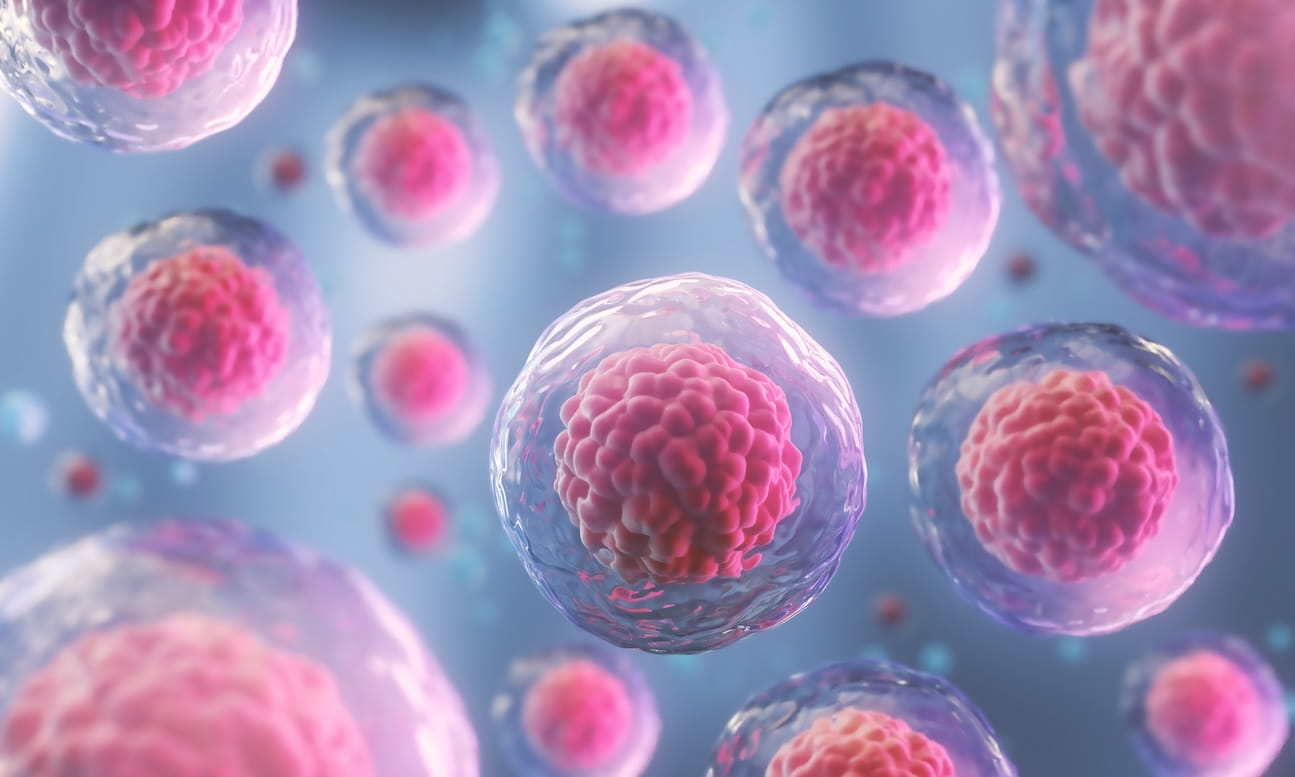
How peptides support skin health
Collagen production slows with age and collagen/elastin fibers remodel. This results in fine lines, decreased bounce, and diminished firmness.
Due to collagen/elastin’s influence on so many visible skin characteristics, peptides that help support these proteins may produce varied results on the skin’s surface. Peptides may complement skin care regimens targeting:
- Diminishing the appearance of fine lines
- Repairing and supporting the skin barrier
- Supporting hydration
- Improving elasticity and firmness
- Supporting visibly stronger skin over time
This is often why peptides are commonly used in collagen support skincare routines.
Skin support ingredients to expect benefits
Peptides are often most effective when paired with complementary actives. Here’s how they fit alongside other common ingredients:
| Ingredient | Best known for | Best for | When to use |
| Peptides | Firmness, skin repair | Dry, aging, sensitive skin | Daily or nightly |
| Retinol | Cell turnover, texture improvement | Oily or aging skin | Nighttime |
| Growth factors | Skin regeneration, signaling | Mature or post-treatment skin | Nightly or daily (provider-guided) |
| Vitamin C | Brightening, antioxidant protection | Dull or uneven skin | Morning |
Top peptides for skin
Peptides for skin barrier work well on anyone dealing with dryness, irritation, or over-exfoliation since they help strengthen the skin’s natural defense.
The most studied topical peptides tend to be signal peptides such as Matrixyl (palmitoyl pentapeptide-4), which help signal collagen production; carrier peptides like copper peptides which assist with the transportation of trace minerals that aid in repair; and inhibitor peptides like argireline which are often marketed towards expression lines. It’s also important to consider formulation quality with all of these, as poor quality peptides can be unstabilized, causing them to be less effective or irritating to the skin.
The best peptides for skin are those designed to support hydration and barrier function, while having a stable formula, including skin barrier supporting peptides.
Can peptides take the place of professional skin treatments?
Topical peptides can be an excellent building block for an everyday skin care routine, and same with injectable peptides for skin rejuvenation or the best injectable peptides for skin tightening. Injectable options target a deeper level of the skin’s structure, so always consult with a knowledgeable provider before beginning any injectable skin treatment.
When choosing skincare ingredients for aging skin, peptides can be used alongside certain actives for best results. Know that anti-aging skincare ingredients address different aspects of the skin and should be used in layers, versus thinking of them as interchangeable.
Professional skincare treatments that may complement a peptide skincare routine include:
- Facials
- Chemical peels
- IPL/light therapy
- Laser treatments
- RF microneedling
- Sculptra injectables
Peptides are especially useful for maintenance between treatments or as part of a long-term healthy aging skincare plan.

Professional vs Home care balance
The most sustainable skin health plans tend to work on both levels:
- Professional treatments = intensive, structural support
- Home care = daily maintenance and consistency
- Together = longer-lasting, more stable results
Proper pre- and post-care plays a major role in treatment outcomes, which is why we always guide clients through structured protocols.
How to build a peptide-friendly skincare routine
A basic peptide-friendly routine looks like:
- Gentle cleanser
- Peptide serum or peptide moisturizer
- Barrier-supporting moisturizer
- SPF every morning
- Retinol, vitamin C, or acids only if tolerated
- Professional guidance when combining with treatments
Peptides may be right for you if…
A consistent skincare routine for aging skin typically combines gentle barrier support, targeted actives, and sun protection to maintain resilience and slow visible signs of aging.
Peptides for skin may be worth considering if you’re experiencing:
- Early signs of aging
- Fine lines or dullness
- Dry or dehydrated skin
- A weakened skin barrier
- Sensitivity or over-exfoliation
- Reactive or stressed skin
- Post-treatment maintenance needs (provider-approved)
Peptides are often a gentle entry point into med spa skincare, especially for those building a more supportive routine.
When to ask a professional instead of guessing
Consider seeking professional guidance if you experience:
- Persistent redness or irritation
- Hormonal acne
- Rosacea-like symptoms
- Melasma or pigmentation changes
- Sudden texture shifts
- Product overload or confusion
- Perimenopause or menopause-related skin changes
A personalized skincare consultation at Vi Beauty Lab can help you avoid unnecessary trial-and-error and build a routine that matches your skin needs instead of guessing with another product purchase.
What peptides can’t do for skin
It’s important to set expectations clearly.
Peptides are not:
- Overnight wrinkle erasers
- Sunscreen replacements
- Substitutes for professional treatments
- Fixes for diet, stress, or sleep issues
- Standalone solutions for long-term aging concerns
Some people also look for peptides for skin tightening benefits, but results depend heavily on formulation and consistency.
Why skincare is more than skin deep
A personalized skincare consultation can help determine if your concerns are barrier damage-, lifestyle-, or product-imbalanced.
What you apply topically is only one factor in the health of your skin.
Stress, hormones, nutrition, inflammation, and sleep all affect the appearance and performance of your skin. Peptides for skin can assist with surface level function, but won’t be able to outperform internal dysregulation. They can help your skin maintain better during periods of high stress by supporting the barrier and promoting repair.
This is why Vi Beauty Lab prioritizes consultation-led care and lifestyle awareness. A serum alone cannot address the full picture of skin health from within. At Vi Beauty Lab, this is reflected in our Root & Restore approach and focus on nutrition and skin support.
Vi Beauty Lab’s philosophy on regenerative skincare
At Vi Beauty Lab, skincare is not treated as surface-level correction.
We focus on:
- Treating the whole person, not just symptoms
- Combining treatments with consistent home care
- Supporting collagen and elastin skin structure
- Encouraging long-term skin regeneration over trend chasing
We believe regenerative skincare is about helping skin function better over time. Learn more about our collagen-focused approach.
Inside & outside skincare support
We always suggest using peptide skincare in combination with professional treatments.
Ingredient swaps and treatments should always be done with the approval of your skincare consultant to match your skin’s needs.
Final thoughts on peptides, cellular health, and stronger skin
There’s a time and place for peptides for aging skin. They’re a great tool to have in your kit when used as part of a well-rounded healthy-aging regimen and your skin is telling you it could use a little more help looking stronger, calmer, and more resilient. That means making sure to include adequate barrier support, professional treatments, lifestyle awareness, and a realistic view of what skincare can accomplish and what it can’t.
Vi Beauty Lab clients who want customized skincare curating can join our membership program to take a more regimented approach to their skin long-term.
Connect with the team at Vi Beauty Lab and we’ll work with you to determine the right professional treatments, skincare strategies, and regenerative options for you.
FAQs
What do peptides do for skin?
Peptides enhance the skin’s natural healing and renewal by signaling cells to make more collagen and elastin. Over time, regular use may promote firmer, smoother, and more hydrated-looking skin.
Are peptides better than retinol?
They work differently. Retinol increases cell turnover and works well for skin texture and deeper wrinkles, but often causes irritation, particularly for sensitive skin. Peptides tend to be more gentle and focus more on improving barrier function and firmness rather than turnover.
Can peptides help with wrinkles?
Peptides may lead to smoother firmer looking skin over time which can diminish fine lines. Peptides are not to replace medical treatments for deeper wrinkles or changes in skin structure.
Are peptides good for sensitive skin?
Peptides are usually well tolerated, so they can be a great place for beginners to start building a more supportive routine. However, they’re also found in formulas with actives that may not agree with reactive skin.
Should I use peptides after a professional treatment?
It depends on what you’re treating and your provider’s recommendations. Post procedures such as microneedling, chemical peels, or lasers leave your skin barrier broken down temporarily, so using barrier-supportive ingredients like peptides can be helpful, but use of products and when to apply should always be tailored to your provider’s pre- and post-care instructions.
